UPSCALE Project Strengthens Sustainable Agriculture Through Capacity Building on Direct Seeded Rice and balanced fertiliser application of Over 300 Farmers in Coastal Odisha
Under the UPSCALE Project, a series of farmer-centric training programmes were successfully organized during April–May 2026 across Jagatsinghpur and Kendrapara districts of Odisha, promoting climate-smart and sustainable agricultural practices. These capacity-building initiatives focused on balanced fertilizer use, scientific nitrogen management, efficient irrigation, Direct Seeded Rice (DSR) cultivation, reducing dependency on chemical fertiliser and livelihood diversification through mushroom production.
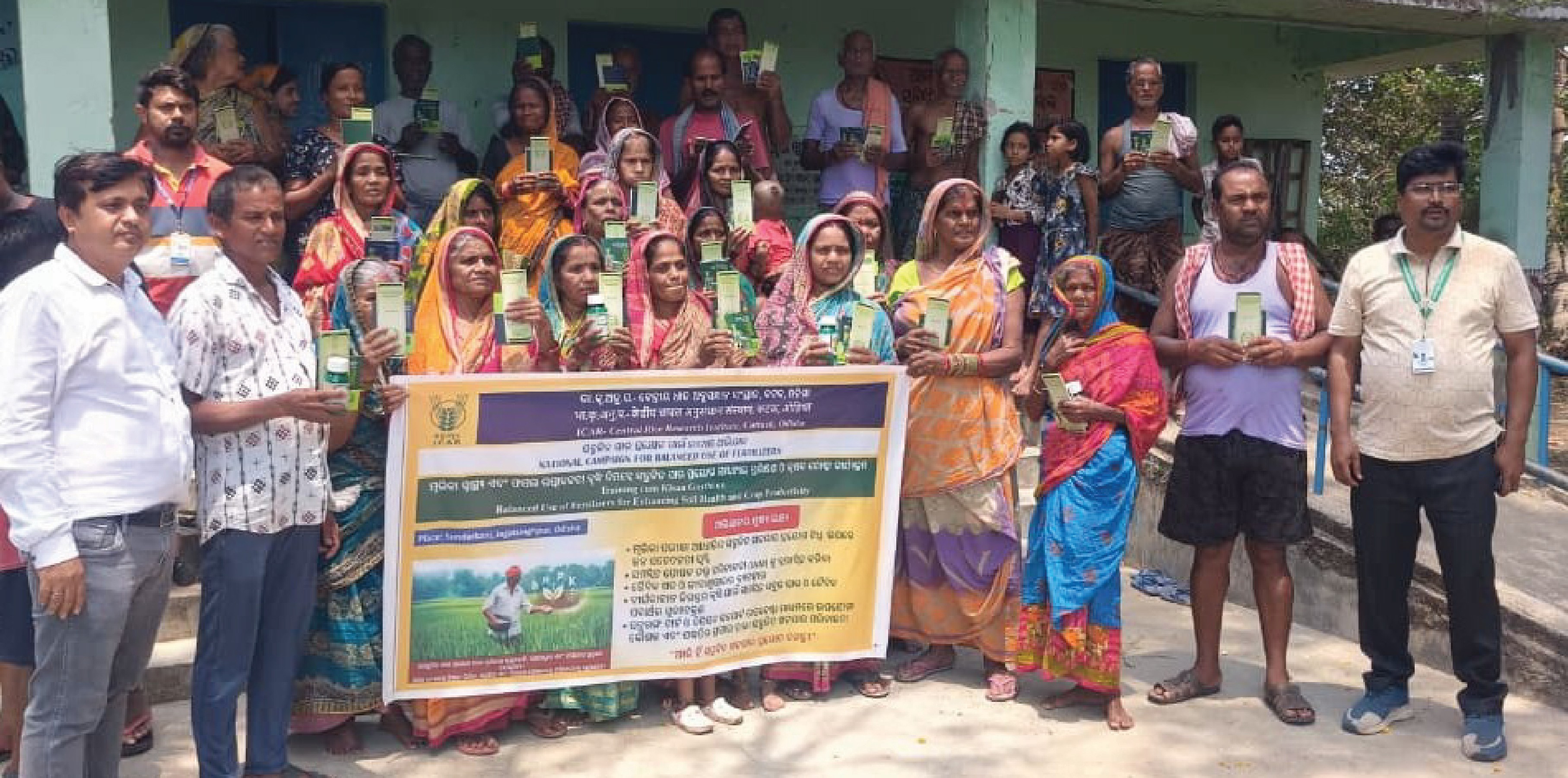
The campaign commenced on 30 April 2026 at Katijanga and Sundarkani villages of Erasama Block, Jagatsinghpur, where more than 100 farmers participated in training on balanced fertilizer use for improving soil health and crop productivity. Farmers were introduced to innovative tools such as riceNxpert, Customized Leaf Colour Chart (CLCC), and NRRI ENDO-N biofertilizer for enhancing nutrient use efficiency and reducing dependence on chemical fertilizers.
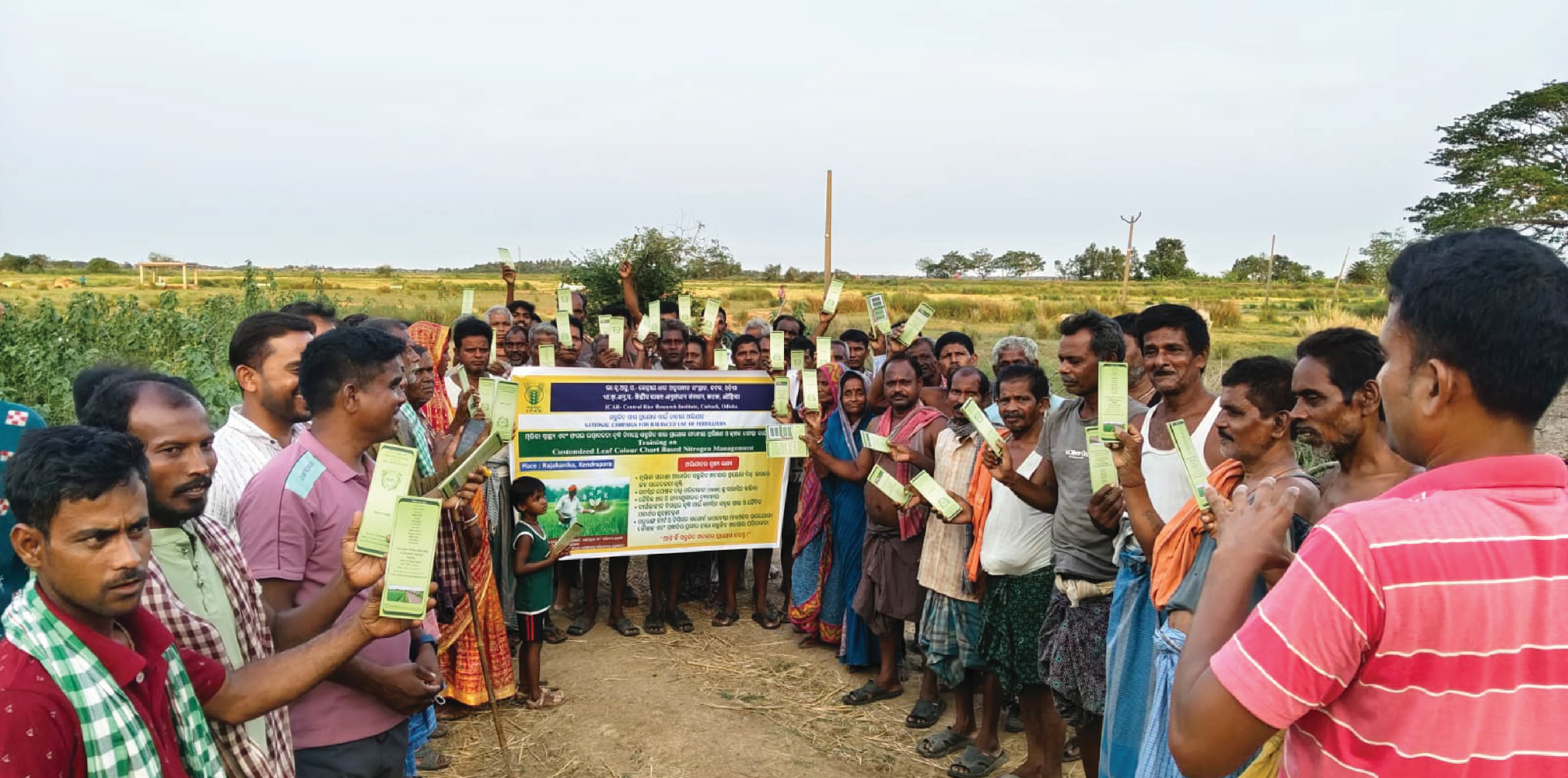
Subsequent trainings were conducted at Pegarpada (12 May) and Kanapur (14 May) villages of Rajkanika Block, Kendrapara, focusing on irrigation management and CLCC-based nitrogen management in rice. Around 90 farmers actively participated in these programmes and gained practical knowledge on site-specific nutrient management for sustainable rice cultivation.
On 30 May 2026, a specialized training on “Balanced Use of Fertilizer in Direct Seeded Rice (DSR)” was organized at Narsinghpur village, where 60 farmers received hands-on exposure to Direct Dry Seeded Rice (D-DSR) technology using a tractor-mounted seed drill. The programme emphasized scientific fertilizer management, real-time nitrogen application, and cost-effective rice production practices.
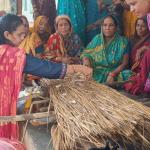
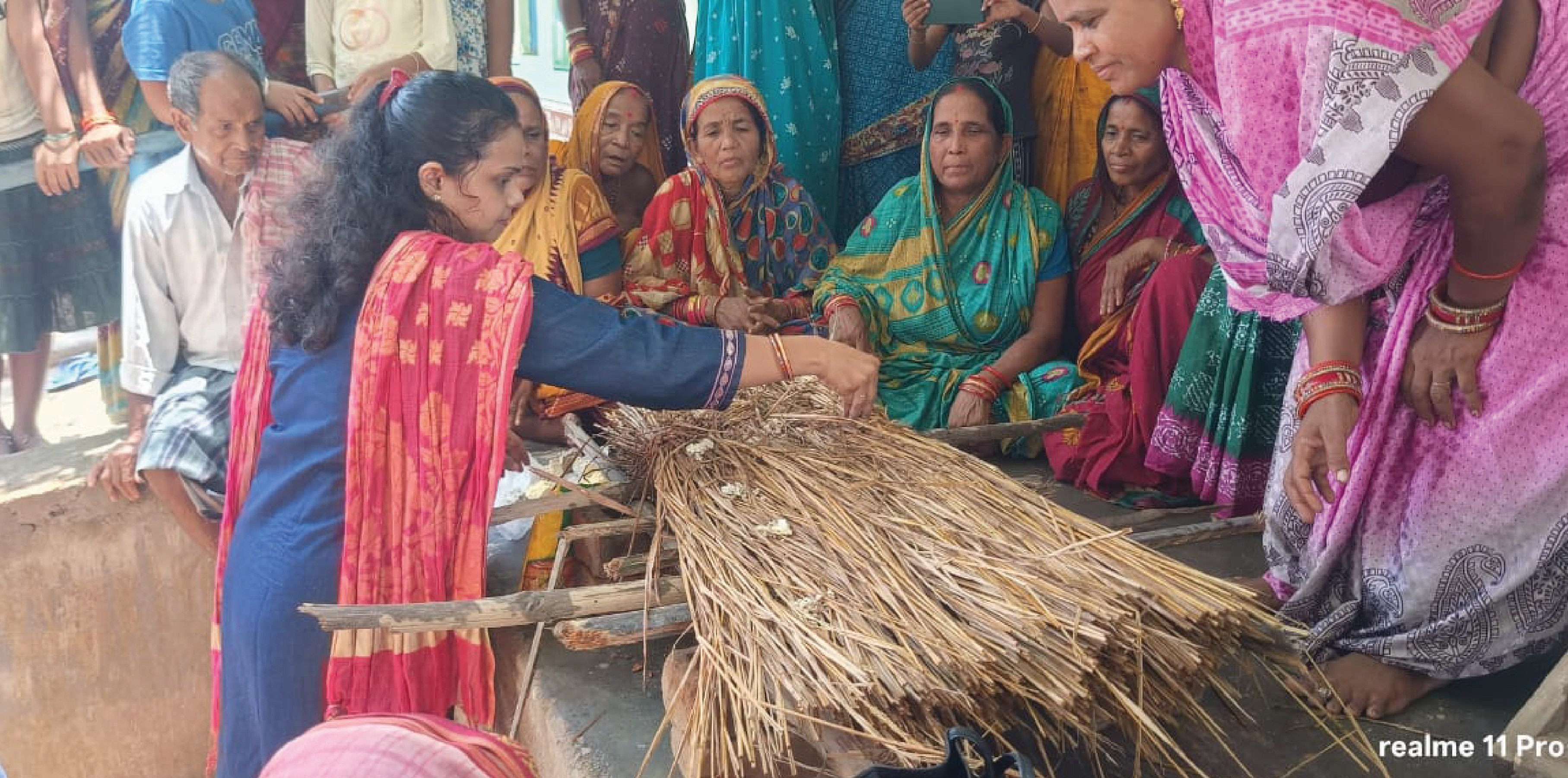
In addition, a training on paddy straw mushroom production was conducted at Sundarkani village, engaging 40–50 farm women. Participants showed keen interest in mushroom bed preparation and discussed opportunities for local marketing, highlighting the potential of mushroom cultivation as an income-generating enterprise for rural women.
Collectively, these initiatives benefited over 300 farmers and farm women, strengthening their capacity to adopt Direct Seeded Rice and Balanced fertilisation including biofertilizer application. The enthusiastic participation and positive response from farming communities reflect the growing impact of the UPSCALE Project in promoting resilient, productive, and environmentally sustainable agriculture in Odisha.